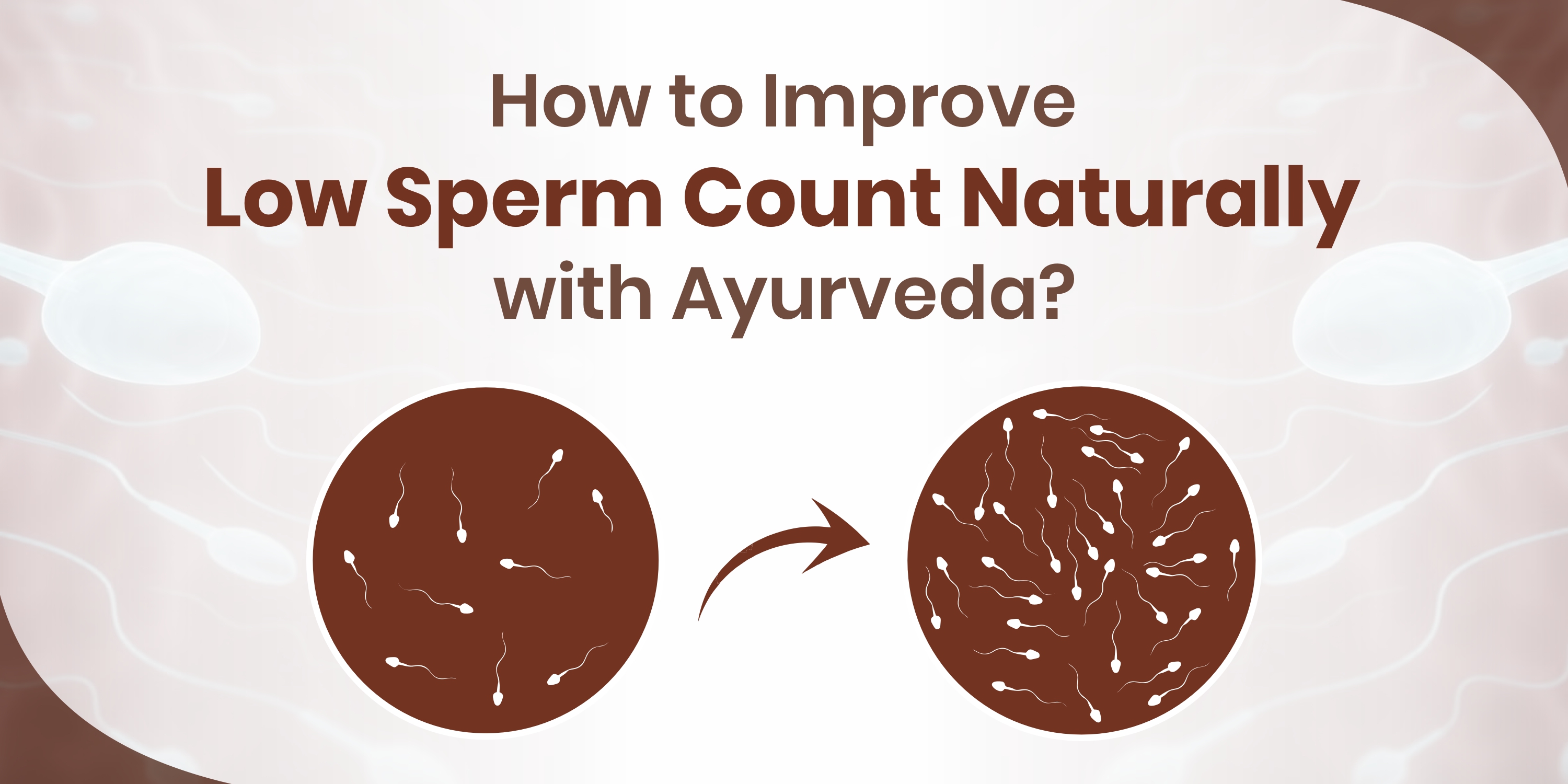
How to Improve Low Sperm Count Naturally with Ayurveda?
There's been an effort to find a baby. It's been months, perhaps even a year. Each month, you experience the same frustration. Your conversations with your spouse become more challenging. Your family members' inquiries become more awkward.
Then you finally get tested. And there it is on the report: "Low sperm count."
These three words may be like a fist in the stomach. You're suddenly thinking about your life. Your masculinity. Your potential to become a father. Your value as a spouse. You feel like you're letting everyone down.
Let me tell you that you should know this today: having a lower number of sperm isn't a reason to make you less of a person. In most instances the situation, it's manageable.
There's no need for quick solutions or magic solutions. It's about understanding the causes inside your body and making the appropriate steps to fix the issue. This is where Ayurveda comes into the picture - not just with short-term remedies, but rather by using a complete method that addresses the root of the issue.
What is Low Sperm Count?
We'll start by defining the basics. A low sperm count, known medically as oligospermia, indicates that you've got fewer sperm inside the semen than is normal.
- Normal range: 15 million sperms milliliter or greater
- Low count: less than 15 million sperm/milliliter
- Extremely low score: Less than 5 million sperm/milliliter
Here's the thing you need to be aware of: A low number of sperm doesn't suggest that you're infertile. The fact is that conception may be slower, or there may be a need for assistance. A lot of men who have low numbers are still able to father children naturally.
Yes, it will lower your chance of being a victim. This is why it's a matter worth taking care of.
How Do You Know If You Have a Low Sperm Count?
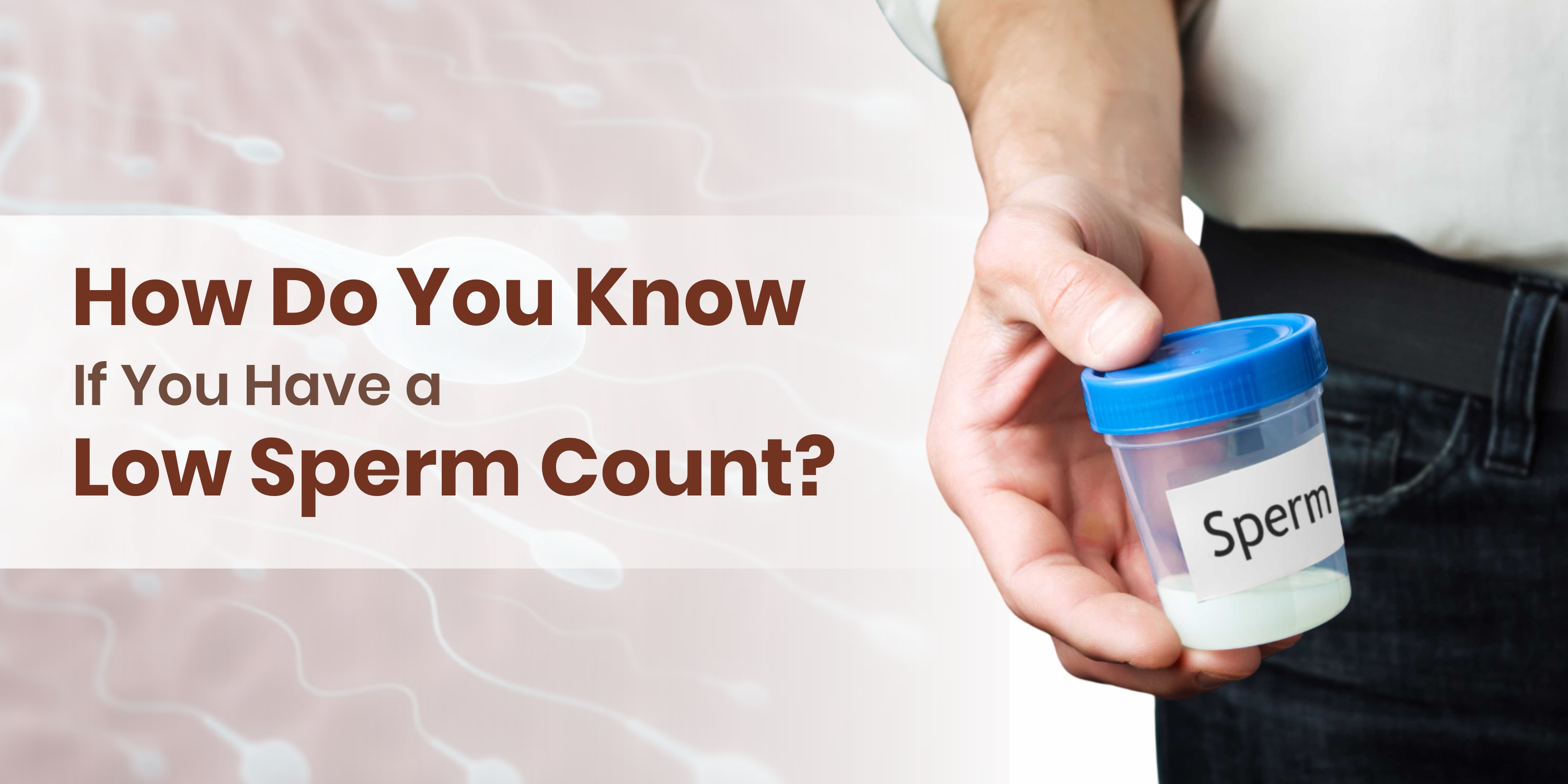
The issue with the low sperm count is that the vast majority of men experience zero symptoms. The body is fine. Your sexual activity seems normal. Everything seems normal. There is only one sign that indicates the difficulty in understanding.
However, some people do note some things.
- Infertility issues - This can be the most evident indication. You've tried repeatedly for 6-12 months, or longer but without any result.
- Lower Semen Volume - When you ejaculate, you'll notice less fluid that there was previously.
- Sexual problems - Less sexual drive, trouble in maintaining an erection, or other issues with sexuality.
- Physical indications - Pain or swelling of the region of the testicle. However, this isn't as prevalent.
- Insomniac fatigue - Continuous fatigue, a feeling of being exhausted fatigue, and low stamina.
- Hormonal signs - Less hair on the body or face Gynecomastia (enlarged breast tissue) and mood swings.
The only way to be sure the truth is through an analysis of semen. This is a straightforward test in which you submit a specimen and it's analysed in a lab. Do not avoid this test out of shame - millions of men undergo this test.
What Causes Low Sperm Count?
The low sperm count can't be the result of one single factor. Most of the time, it's a mixture of different factors that work together. Let me breakdown the following:
Lifestyle Factors (The Big Ones)
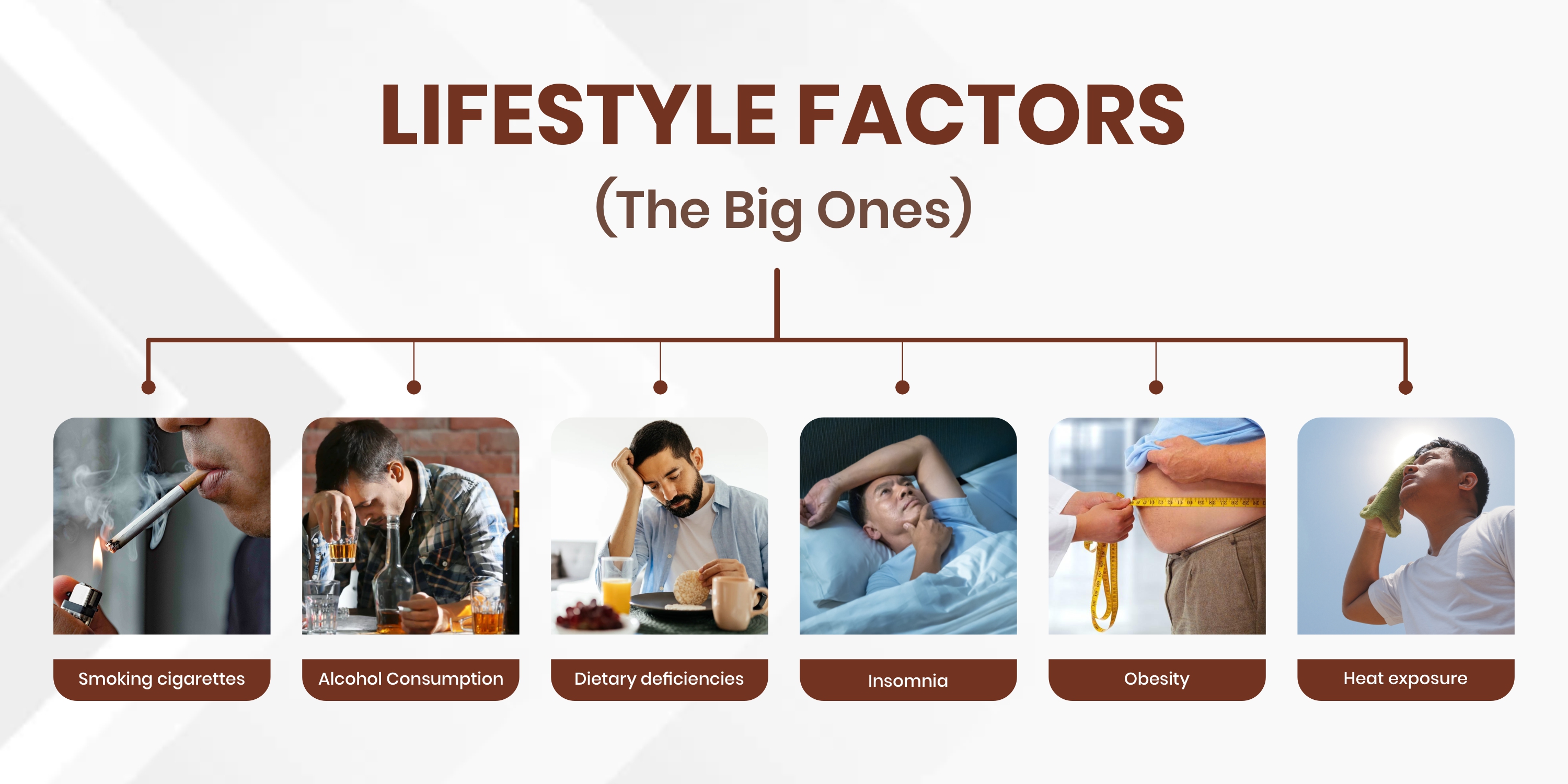
Smoking cigarettes - Cigarettes cause damage to the DNA of sperm and decrease the count. Each cigarette you take can be a threat to your health.
Alcohol Consumption - In excess (more than two drinks per each day) can lower testosterone and decrease the production of sperm. The liver is busy making alcohol for normal hormone production.
Dietary deficiencies - Junk foods, processed food items and sugary drinks Your body isn't getting enough nutrients to produce healthy sperm.
Insomnia - Constant lack of sleep can affect testosterone production. The body creates the bulk of the testosterone you need while you are asleep. Sleeping less equals less testosterone levels.
Obesity - Body fat that is too large transforms testosterone into estrogen. Also, it increases the temperature of the scrotal area that can damage the production of sperm.
Heat exposure - The testicles rest outside of your body to protect you from heat exposure. They must be cooler than the body's temperature. In tight underwear, putting computers on your laps and long hot baths, long hours of sitting all overheats the testicles of your body and destroys the sperm.
The use of phones for too long - Yes you should keep the phone in your pocket for the entire day exposes the testicles to high-frequency electromagnetic radiation. Research suggests that it can affect the number of sperm in your body.
Excessive masturbation or sex - Sexual activity that is excessively masturbated or sexually active. Although moderate sexual activity is okay, excessive frequency may temporarily lower the sperm count and reduce its quality.
Medical and Physical Causes
Varicocele - It is the swelling of veins that occur in the scrotum. This is similar to varicose veins however it's located in the testicles. It increases the temperature of your testicles and decreases the production of sperm. A common reason for the low number of sperm.
Hormonal imbalances - Low testosterone levels thyroid issues, pituitary gland disorders - these all can affect the production of sperm.
Infections - STIs, urinary tract infections or prostate infections may affect the production of sperm, or block the passages.
Diabetes - Chronically high blood sugar can damage blood vessels and nerves which affects reproduction.
Medicines - Certain blood pressure medications and antidepressants as well as steroids and other drugs can decrease the number of sperm in your body as an adverse consequence.
Prior surgery - Operations within the testicles, groin or prostate can impact the production or transportation of sperm.
Genetic reasons - A few individuals have chromosomal disorders that impact the production of sperm although this is not as common.
Mental and Emotional Factors
Continuous stress - When you're always stressed the body releases cortisol. Cortisol levels are high and can inhibit testosterone production. Stress actually blocks the function of your reproductive system.
Anxiety and depression - Both alter hormone levels, and decrease the number of sperm.
Pressure for performance - The stress to imagine can in fact cause it to be more difficult to think. This creates a stress-cycle.
The health of your mental state directly influences the health of your sperm. The connection between mental health and sperm health is frequently ignored, yet it's vital.
How Ayurveda Understands Low Sperm Count?
In Ayurveda the term sperm refers to Shukra Dhatu. It's regarded as the seventh most refined organ in the human body. In accordance with Ayurvedic theories, all other tissues need to be healthy in order for Shukra Dhatu to stay healthy.
Consider it as follows: Shukra Dhatu is the end product from a manufacturing process that has seven stages. If any of the seven stages are compromised then the end product will suffer.
The Ayurvedic Perspective on What Goes Wrong
Insufficiency Agni (Digestive fire) - If your digestion isn't working, then it's not converting foods into nutrients. These nutrients are required for the development of all seven tissues. This includes the sperm. Insufficient digestion results in bad quality building materials and low-quality sperm.
Vata Balance - Vata regulates dryness and movement. If it is aggravated, it could cause dryness in reproductive tissue and alter motility of the sperm.
Pitta imbalance - Overly Pitta produces inflammation and heat and can cause damage to the production of sperm.
Low Ojas - Ojas is the essence of your life, it's your immunity, and vitality. In the event of depletion due to excessive stress, work pressure, lack of sleeping habits, or a lot of sexual activity, your body's not able to generate enough energy to make high-quality sperm.
Ama (Toxins) - A poor digestion leads to ama - indigestible food which becomes poisonous. Toxins circulate throughout the body, and may hinder the production of sperm.
The benefit of this method is that Ayurveda does not just focus on the testicles. It addresses your entire body's system. Healthy sperm is the indicator of your general well-being.
How Ayurveda Treats Low Sperm Count?
Ayurvedic treatment for a low number of sperm counts works at several levels:
-
Nourishing Reproductive Tissues
Certain herbs and food items serve to directly help nourish and build Shukra Dhatu. It's not about stimulating artificially production, but rather giving your body the nutrients and the support needed to naturally produce healthy sperm.
-
Strengthening Digestion
Keep in mind that good digestion is the basis of ayurvedic treatment that incorporates herbs and techniques to boost your digestion power, so that you can take in and use the nutrients in your diet.
-
Balancing Hormones
Instead of artificially altering hormone levels Ayurveda assists your body's hormone production. It is a part of your body's endocrine system, and not in opposition to it.
-
Reducing Stress and Calming the Mind
Stress is an important factor. Ayurvedic treatment has adaptogenic herbs to help the body deal with stress more effectively. If you're relaxed, your hormones naturally balance.
-
Detoxification
Ayurveda offers gentle cleansing practices in order to get rid of ama (toxins) which can hinder the process of producing sperm. It creates better and healthier sperm.
-
Building Overall Vitality
Through enhancing sleep, energy and overall health, Ayurveda provides the ideal conditions to promote optimal production of sperm.
Powerful Ayurvedic Herbs for Sperm Count
Let me introduce the plants that have been utilized for thousands of years for improving male fertility.
Ashwagandha (Withania somnifera)
It is among the herbs that has been studied extensively for male fertility.
Studies show that:
- The increase in sperm count can be as much as 167% in certain research studies
- Enhances the motility of sperm (how well they can swim)
- Increases semen volume
- Lowers cortisol and stress levels
- Helps maintain healthy levels of testosterone
It's powerful due to the fact that it operates across multiple levels, including hormone, physical and mentally.
Shilajit (Mineral Pitch)
A dense and nutrient-rich resin from the Himalayas and high in minerals and fulvic acid.
What does it do:
- The dramatic increase in total sperm count
- Increases sperm motility
- Increases energy levels and helps reduce fatigue
- Aids in mitochondrial functioning (energy production within cells)
- Enhances testosterone levels
Consider it the complete fertility tonic.
Safed Musli (Chlorophytum Borivilianum)
Also known by the name of "white gold" for male fertility.
What does it do:
- Enhances sperm count and improves quality
- Enhances sexual performance and libido
- Strengthens reproductive tissues
- Enhances endurance and stamina
- Helps maintain overall energy
Kaunch Beej (Mucuna pruriens)
Contains L-DOPA, a precursor to dopamine.
What is it:
- Significantly boosts the amount of sperm in your body.
- Increases sperm motility
- Helps maintain healthy testosterone levels and LH levels
- Lowers stress levels and boosts mood
- Enhances sexual function
Gokshura (Tribulus terrestris)
Great for general reproductive health.
What is it:
- Enhances the flow of blood to reproductive organs
- It helps to boost the production of testosterone
- It increases sperm count and motility
- It aids with erectile dysfunction.
- Prostate health is supported
Shatavari (Asparagus racemosus)
Although it is often used by women, it is also beneficial for the male.
What is it:
- It is a good source of nutrition for reproductive tissue
- Lowers the risk of inflammation
- Increases the overall energy levels
- It helps maintain hormone balance
Important Point: These plants have potency and should be administered in the proper dosage, mix as well as in the correct shape. Do not take medication by yourself. A certified Ayurvedic physician must prescribe these medications according to your individual health and body nature.
The Ayurvedic Diet for Better Sperm Count
Your diet is crucial to your health. The sperm you produce is literally derived from the food you eat.
Foods That Build Healthy Sperm
Ghee and milk - Hot milk (not cold) and a teaspoon of Ghee can be extremely nourishing. Include a few cardamom or saffron.
Dry fruits and nuts - Almonds (soaked overnight and cut into pieces), walnuts, cashews, dates, pistachios, raisins, figs. They are rich in selenium, zinc as well as nutritious fats.
Whole grains - Brown wheat, rice, oats as well as quinoa. They provide sustained energy and fibre.
Fresh fruit - Pomegranates (excellent for the production of sperm) Bananas, mangoes, apples, berries.
Vegetables - Dark leafy greens, carrots, beets, sweet potatoes, tomatoes (rich in lycopene).
Seeds - Pumpkin seeds (zinc) and sunflower seeds Flax seeds (omega-3).
Eggs - If you are meat, eggs are a great choice. Protein-rich and full of nutrients.
Natural fats - Like coconut oil, ghee and olive oil, in moderate amounts.
Honey - Unprocessed, natural honey.
Foods to Avoid
- Foods processed and junk chips fast food, processed foods, packaged snacks. They're not nutritious and cause poisons.
- Inflammation caused by excess sugar and imbalance in hormones.
- Trans fats can be found in baked products as well as margarine. The direct damage to the sperm.
- The products of Soy (in excess) contain phytoestrogens, which can influence testosterone.
- Very oily or spicy food items may cause irritation to Pitta and cause the sensation of heat.
- Refrigerated or cold, as well as cooked food that has been heated - It weakens digestion combustion.
- Alcohol, even moderate amounts, can affect sperm production.
- Caffeine (in excess) more than 2 cups of coffee per day can influence fertility.
How to Eat?
- Consider lunch as your main meal
- Eat light at dinner, 2-3 hours before bed.
- Enjoy fresh, warm, cooked food at home.
- Chew properly, don't rush
- Do not eat when you're upset or stressed.
- Take warm water and not cold.
Lifestyle Changes That Really Work
Diet and herbs will only help you when your life is going against your.
Sleep is Non-Negotiable
You should sleep for 7 to 8 hours every evening. Sleep before 11 pm. The body's production of testosterone between 11PM until 3 am. If you're asleep during those times, you're not being deprived of vital testosterone production.
Exercise, But Don't Overdo It
Moderate training boosts testosterone and increases circulation. However, excessive activity (like running marathons, or intense workouts) could actually decrease the sperm count.
Best exercises:
- Walking 30-40 minutes daily
- Yoga
- Swimming
- Moderate exercise with weights
Keep Things Cool Down There
- Put on loose, breathable and comfortable underwear (boxer shorts and not shorts)
- Keep laptops off your lap
- Do not take long hot baths (warm showers work fine)
- Do not sit around for long and not get up
- Make sure your phone is out of your front pocket
Manage Stress
This is essential. Stress can be an unintentional killer of the production of sperm.
Try:
- Meditation (even 10 minutes daily)
- Exercises for deep breathing
- Yoga
- Time spent in the natural world
- Speak to a trusted person
- Breaks from work
Reduce Sexual Frequency (Temporarily)
If you've been going through sex or masturbating frequently you should take a short break. Allow your body to rebuild the sperm count in a healthy way. When your count is up it is possible to resume the normal rate.
Limit Pornography
A high-volume of porn can affect your brain's dopamine systems and could cause sexual disorders. Pause and let your brain rest.
Avoid Environmental Toxins
- Pesticides are applied to produce (wash thoroughly, or purchase organic)
- The chemicals in plastics (don't cook food inside plastic containers)
- Metals heavy (limit to tuna, as well as other fish with high mercury)
- Air pollution (use air purifiers if possible)
How Long Does It Take to See Results?
It's what everybody would like to know. Let's face it:
Sperm production takes 70-90 days. It is a natural process. Sperm that we are currently ejaculating began to develop 2.5-3 months ago.
Any adjustments you make today aren't going to appear in a flash. You need patience.
The typical timeline is:
3-4 weeks: You'll be feeling better, more energetic, more restful, and less stressed.
6- 8 weeks: Semen improvement in quality in terms of color and consistency. Volume increases.
3- 4 months: Sperm counts and motility demonstrate measurable improvements on test results.
6 months: A significant steady improvement in the majority of people who are on treatment for a long time.
Men who are faster in their outcomes, while others take more time. This is based on
- How much is your count?
- What's the cause?
- Your age
- Overall health
- What is your strictness in observing the treatment
The most important thing is to be consistent. Do not give up after a month.
When to See a Specialist?
You shouldn't attempt to deal with this on your own if:
- You've tried to get pregnant for more than one year
- The analysis of your semen results in a very small count (below 5 million)
- There are other signs like swelling, pain, or hormonal imbalances.
- If you also suffer from an erectile dysfunction or an extremely low libido
- There was a testicular trauma or an operation in the past.
- Your partner is older than 35 (female fertility decreases more rapidly at this point)
Early professional advice can significantly increase your odds.
Conclusion
A low sperm count may make you feel as if you're a victim of your own. It's actually not. This is a health issue, similar to most other health problems they respond well to the proper care.
Ayurveda is unique in that it's not a fix-all-issues, instead, it's a real therapeutic. It helps you understand the reason your body doesn't produce sufficient healthy sperm, and can help solve the underlying causes.
With the expertise under Dr. Inderjeet Singh Gautam, Gautam Ayurveda (A unit of Gautam Clinic Pvt. Ltd) offers a complete individualized treatment for men with lower sperm count as well as male problems with fertility.
The treatment is comprised of :
- An in-depth consultation and analysis
- Formulations of herbs that are custom-designed for you
- A lifestyle and diet plan that is individualized
- Stress management guidance
- A regular monitoring program and periodic adjustments
- Absolute privacy
All products are 100% natural and safe. It is focused on the long-term health of your reproductive system.
FAQ
Q1: Can a low sperm count be totally cured?
Most of the time, yes. Once the underlying cause is identified, sperm counts can increase significantly, and eventually increase to levels that are normal.
Q2: What time does treatment be?
The majority of men notice improvement after three to four months. Complete recovery could take anywhere from 6-12 months, depending on how severe the condition is.
Q3: Does a low count suggest that I will never be able to be a parent?
No. This means that conception could be slower or more challenging however, many males with lower counts continue to father babies naturally.
Q4: Do stress levels really impact my sperm count as significantly?
Absolutely. Stress is among the most significant causes. If cortisol levels are high, testosterone levels and sperm production decrease.
Q5: What is Ayurvedic treatment to be considered safe?
If prescribed by a licensed doctor, If prescribed by a qualified practitioner, yes. These herbs are organic and do not have the negative consequences that synthetic hormones can have.
Q6: Is age a factor?
Yes. The number of sperm and the quality of sperm naturally decrease after 40. However, this doesn't mean that they cannot be enhanced.
Q7: Will smoking cigarettes really decrease my sperm count?
Yes. The research shows that smokers have less sperm count than those who do not smoke. The benefits of quitting smoking are seen in the first few months.
Q8: Can altering my diet help?
Diet can be extremely helpful however, for the best outcomes, you require an integrated approach that includes food, herbs, lifestyle as well as managing stress.



.jpeg)